
Community Participation
Community Participation
Active participation in the community is essential for personal growth, social inclusion, and building a sense of belonging. Our Community Participation program empowers individuals to engage meaningfully in their communities, fostering independence, confidence, and social connections.
Why Community Participation Matters
Being part of the community promotes:
- Social inclusion and a sense of belonging
- Development of personal and social skills
- Opportunities for learning, growth, and meaningful engagement
- Positive mental health and well-being
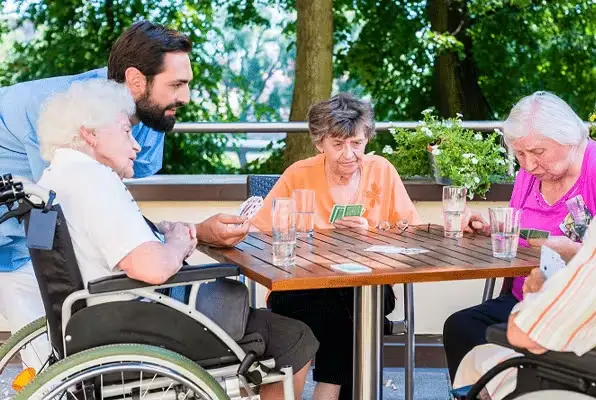
Our Community Participation Activities Include
- Social & recreational activities
- Volunteering programs
- Health & wellbeing (yoga, fitness, swimming)
- Community outings
- Art and craft
- Skill-building workshops
All these activities are conducted in groups with the goal of enhancing social inclusion, building confidence, and developing essential life skills. As a trusted disability support service provider, Way Of Humanity helps participants recognise their abilities, contribute to their community, and appreciate the strengths of others.
Our experts can guide you on how to use your NDIS funding to participate in these activities and make the most of your plan. Contact us to learn more about our community participation programs for adults with disabilities.
Connecting, Engaging, and Empowering Through Community Participation
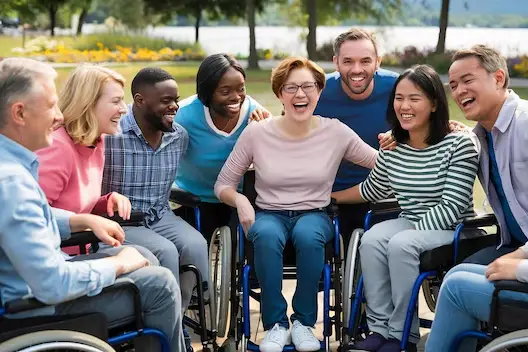
Our community participation programs provide engaging opportunities for participants to connect, build confidence, and take an active role in their communities. Through structured and fun activities, individuals can develop social skills, explore new experiences, and feel more included and empowered.
Community Participation
Our community participation programs give participants the chance to engage, connect, and grow within their communities. Activities are designed to promote social inclusion, build confidence, and develop essential life skills.
- Connect with others and build meaningful relationships
- Take part in group activities and outings
- Explore new experiences and hobbies
- Develop confidence and independence
- Build practical and social skills
- Feel included and empowered in your community
Catheter and Continence Management:
Some participants may require catheter and continence management. This involves the use of catheters, drainage bags, and other continence aids to manage bladder or bowel incontinence. Infinite Ability works closely with healthcare professionals to ensure participants receive appropriate catheter and continence management. They also provide education and training to staff, participants, and their families on catheter care, hygiene, and troubleshooting.
Stoma Care:
Stoma care is another example of high-intensity support for NDIS participants. A stoma is an opening in the abdomen that allows waste to leave the body. Stoma care involves the management of the stoma and surrounding skin to prevent infections and other complications. Infinite Ability works with healthcare professionals to provide stoma care services, including stoma fitting, changing, and maintenance.
Pain Management:
Pain management is crucial for participants who experience chronic pain. We work with healthcare professionals to manage pain using different strategies, including medications, physical therapy, and relaxation techniques. They also provide education and support to participants and their families on pain management techniques and strategies. Disease Management: Disease management is critical for participants who have chronic diseases such as diabetes, heart disease, or respiratory conditions. Infinite Ability High intensity Support team works with healthcare professionals to manage chronic diseases by monitoring symptoms, providing education and support, and promoting healthy lifestyle changes.
Rehabilitation Support:
Rehabilitation support is essential for participants who require physical or occupational therapy. Infinite Ability works with allied healthcare professionals to provide rehabilitation support services, including therapy sessions, assistive devices, and home modifications. They also provide education and training to staff, participants and their families on how to use assistive devices and promote independence.
Pain Management:
Personal care involves assistance with activities of daily living, such as bathing, dressing, grooming, and feeding. We work closely with participants and their families to develop a personalized care plan that meets their specific needs. They also provide education and training to staff, participants and their families on personal care techniques and strategies.